Overview
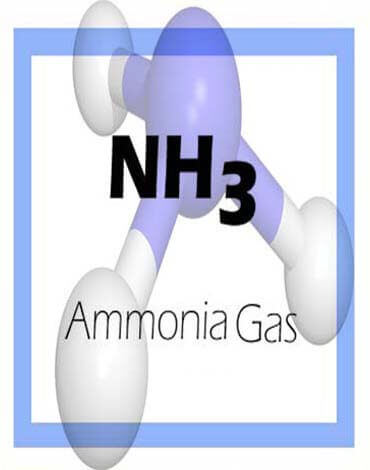
Ammonia (NH3) gas, which has an offensive odour and is colourless, is frequently employed in a variety of industrial applications. It is a naturally occurring molecule of nitrogen and hydrogen that is present in trace amounts throughout the environment.
Ammonia gas has many uses, including as a fertiliser. It is frequently utilised in the creation of nitrogen-based fertilisers for use in agriculture. In particular, large-scale industries like food processing and cold storage facilities employ it as a refrigerant in industrial refrigeration systems. High efficiency, minimal impact on the environment, and inexpensive cost make ammonia refrigeration popular.
Moreover, ammonia gas is employed in the production of other compounds, including nylon, polymers, and explosives. It is frequently employed in the creation of insecticides, dyes, and medicines. Moreover, wastewater treatment facilities treat and purge contaminants from wastewater using ammonia gas.
Despite the fact that ammonia gas has a wide range of industrial uses, it should be handled and stored carefully due to its toxicity and flammability. Ammonia gas can burn skin if it comes into contact with it and can also cause significant irritation to the eyes, nose, and throat when inhaled. To avoid mishaps and guarantee worker safety, specific safety procedures and personal protective equipment (PPE) must be utilised when handling and storing ammonia gas.
There are several industrial uses for ammonia gas. The following are some typical industrial uses for ammonia gas:
1.Ammonia is a crucial ingredient in the manufacture of nitrogen-based fertilisers including urea, ammonium nitrate, and ammonium sulphate. For plants, it is a crucial supply of nitrogen that is necessary for growth.
2. Ammonia is frequently employed as a refrigerant in commercial refrigeration systems. It is extremely effective at absorbing and releasing heat and has good thermodynamic characteristics.
3.Ammonia is a powerful cleaning agent because of its alkaline nature. Cleaning glass surfaces, such windows and mirrors, is a regular practise.
4. Pharmaceuticals: Ammonia is used to make a variety of medicinal goods, such as sedatives, anti-inflammatories, and antibiotics. Ammonia is used in the textile industry to create synthetic fibres like rayon and nylon. To increase materials' ability to absorb dye, it is also employed as a finishing agent for textiles.
Why Us!
We continue to pursue that same vision in today's complex, uncertain world, working every day to earn our customers’ trust!
Quality Control System
We Rajasthan Gases gas manufacturing involves various stages, from raw materials sourcing to final product packaging.
100% Satisfaction Guarantee
We are one of the Nations largest Gas Manufacturer and a widely recognized leader utilizing advanced
Highly Professional Staff
An integrated approach to providing engineering services allows our clients to benefit from the commercial logistical
Accurate Testing Processes
We’ll work with you on your portfolio, large or small. Together we’ll fine-tune your new construction, remodeling or renovation
We offer Industrial Gas Solutions that are reliable, efficient, safe and sustainable.
Rajasthan Gases is well known industrial gases supplier in Faridabad & NCR, India. We a leading Gases Manufacturer committed to meeting the high level customer satisfaction.
Oxygen, argon, carbon dioxide, and nitrogen are the most common gases used in industries.
The major industrial gases are nitrogen, oxygen, carbon dioxide, argon, hydrogen, acetylene and helium, and precise measurements are needed to ensure gas purity. We are serving best purity industrial gases in Delhi NCR and Faridabad, India.